Poetry || Poetry || Poetry || Poetry || Poetry || Poetry
Poetry is a form of literary expression that uses rhythm, imagery, and carefully chosen words to convey emotions and ideas.
It often relies on meter, rhyme, or free verse to create a musical or expressive effect.
Poetry communicates meaning in a condensed and artistic way, appealing to both feeling and imagination.



The Complete Guide to the Art of Poetry: History, Types, Language, and Importance
Human beings have always searched for meaningful ways to express emotions, ideas, and experiences. One of the most powerful and timeless forms of expression is poetry. From ancient civilizations to modern digital platforms, this artistic tradition has shaped cultures, preserved history, and given voice to the human soul. This article explores everything you need to know about this literary form, including its origins, evolution, types, language, cultural impact, and future relevance.
What Is Poetry?
At its core, poetry is a structured form of literary expression that uses rhythm, imagery, symbolism, and sound to convey meaning. Unlike prose, it often follows patterns of meter, rhyme, or free-flowing structure. It is designed not only to communicate ideas but also to evoke emotion, imagination, and deep reflection.
This creative form can be personal or political, simple or complex, traditional or experimental. It speaks across generations because it captures universal human experiences in a condensed and artistic way.
History of Poetry
The history of poetry dates back thousands of years and is deeply connected to oral traditions. Early civilizations used verse to pass down stories, laws, religious beliefs, and cultural values. Ancient works such as The Epic of Gilgamesh, The Iliad, and The Odyssey were composed in rhythmic patterns to make memorization easier.
In South Asia, the Vedas were written in metrical form, while classical Arabic and Persian traditions introduced rich poetic structures like the qasida and ghazal. Chinese poetry flourished during the Tang dynasty, and Greek literature laid the foundation for lyric and dramatic forms.
During the Middle Ages, poetic expression was common in religious hymns and romantic ballads. The Renaissance period encouraged creativity and experimentation, while the Romantic era focused on emotion, nature, and individual experience. In modern times, poetry evolved further with free verse, spoken word, and digital platforms, proving its adaptability across centuries.
Types of Poetry
There are many poetic forms, each serving a unique purpose and style. Some of the most popular types include:
Lyric poetry
Focuses on personal emotions, thoughts, and feelings. Sonnets and odes are classic examples.
Narrative poetry
Tells a story with characters and a plot, often in long form. Epics and ballads fall under this category.
Dramatic poetry
Written to be performed, expressing conflict and emotion through dialogue and monologues.
Free verse
Does not follow strict rules of rhyme or meter, allowing creative freedom and modern expression.
Haiku
A traditional Japanese form with a simple structure that often reflects nature and moments of awareness.
Ghazal
Originating in Arabic and Persian traditions, known for themes of love, longing, and separation.
Each type contributes to the richness and diversity of poetic literature worldwide.
Language of Poetry
The language of poetry is deliberate, expressive, and layered with meaning. Writers choose words carefully not only for their definitions but also for their sound, rhythm, and emotional impact.
Common literary devices include metaphor, simile, imagery, symbolism, personification, alliteration, and repetition. These elements help create vivid pictures in the reader’s mind and evoke strong emotional responses.
Poetic language often allows multiple interpretations, encouraging readers to engage deeply with the text and discover personal meaning.
Cultural and Social Importance
Throughout history, poetry has played a vital role in shaping societies. It has been used to challenge injustice, inspire revolutions, celebrate love, and mourn loss. Many social and political movements were supported by powerful verses that resonated with the masses.
Culturally, poetic expression preserves traditions, folklore, and shared values. It connects generations and helps communities maintain identity, especially during times of hardship or change.
Poetry in the Modern Digital Age
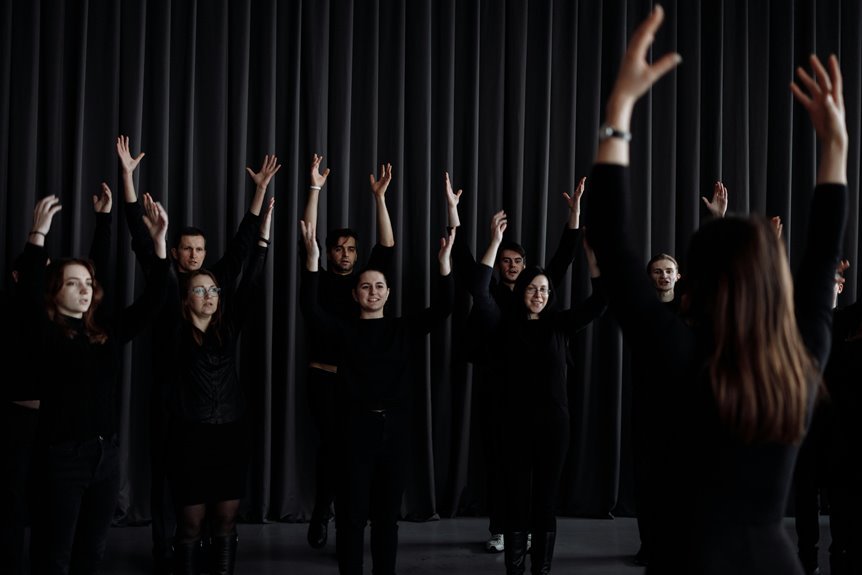
Even in today’s fast-paced world, poetry remains relevant and influential. Social media platforms, blogs, and digital publications have created new spaces for writers and readers. Spoken-word performances and slam poetry events attract global audiences and younger generations.
Modern themes often include mental health, identity, equality, climate change, and personal growth. The adaptability of this art form ensures its continued relevance in contemporary society.
Why People Love Poetry
People connect with poetry because it speaks directly to emotions and personal experiences. It offers comfort, inspiration, and understanding in moments of joy and pain. Short yet powerful verses can express feelings that are difficult to put into ordinary words.
It also enhances creativity, strengthens language skills, and encourages reflection. Whether read silently or performed aloud, poetic expression creates a deep connection between the writer and the audience.
Frequently Asked Questions
What makes poetry different from prose?
Poetry uses rhythm, structure, and condensed language, while prose follows a natural flow of sentences and paragraphs.
Do poems always have to rhyme?
No. Many modern poems use free verse and do not rely on rhyme.
Can anyone write poetry?
Yes. There are no strict rules. Anyone can express thoughts creatively with practice and sincerity.
Is poetry still relevant today?
Absolutely. It continues to evolve and reflect modern issues, emotions, and cultures.
Does reading poetry have benefits?
Yes. It improves vocabulary, emotional intelligence, imagination, and critical thinking.
Conclusion
Poetry is more than a literary form; it is a timeless reflection of human emotion and creativity. From ancient oral traditions to modern digital platforms, it continues to evolve while maintaining its emotional depth and cultural significance. Understanding its history, types, language, and impact allows us to appreciate how words can transform thoughts into lasting art that connects people across time and cultures.